Digital marketing in Pakistan has matured fast. In 2026, simply "being online" is no longer a strategy — your competitors are running data-driven SEO, paid search and social campaigns that capture demand before you even know it exists. This guide breaks down exactly what works right now, and how to spend your marketing budget so it produces measurable revenue, not just impressions.
Why Digital Marketing Matters More Than Ever in 2026
Pakistan now has well over 110 million internet users, and the buying journey has moved almost entirely online — from Google searches and Instagram discovery to WhatsApp enquiries and checkout. If your business isn't visible at each of those touchpoints, you're handing customers to whoever is.
The good news: digital channels are measurable. Every rupee can be tracked to a click, a lead, or a sale. The agencies and brands winning in 2026 are the ones treating marketing as a system, not a series of one-off posts.
1. SEO Is Still the Highest-ROI Channel
Search engine optimisation remains the best long-term investment in digital marketing because the traffic is free, intent-driven and compounding. In 2026, ranking on Google in Pakistan comes down to three pillars:
- Technical health — fast loading (Core Web Vitals), mobile-first design, clean site structure and proper indexing.
- Helpful, original content — Google's helpful-content systems reward pages written for people, not search engines. Depth, accuracy and real expertise win.
- Authority — quality backlinks, local citations and a complete Google Business Profile for "near me" searches.
Local SEO is a goldmine for Pakistani service businesses. Optimising for "web design in Islamabad" or "best e-commerce agency Lahore" puts you in front of buyers ready to act.
2. Google Ads: Buying Demand Profitably
While SEO builds over months, Google Ads delivers traffic today. In 2026, the winning approach combines:
- Search campaigns for high-intent keywords (people already looking for what you sell).
- Performance Max to let Google's AI place ads across Search, Shopping, YouTube and Gmail.
- Smart bidding tied to conversions — not clicks — so the algorithm optimises toward actual leads and sales.
The key metric is ROAS (return on ad spend). A well-managed account in Pakistan can comfortably return 4–6x; anything you can't measure, you can't improve.
3. Meta & Social: Demand Generation
Facebook, Instagram and TikTok don't capture existing demand — they create it. In 2026, short-form video dominates reach, and creative quality beats budget. Successful social advertising relies on:
- Testing multiple hooks and creatives weekly.
- Precise audience targeting and retargeting warm visitors.
- A clear offer and a frictionless path to WhatsApp or checkout.
4. Email & WhatsApp: The Channels You Own
Algorithms change; your contact list doesn't. Automated WhatsApp and email flows — welcome sequences, abandoned-cart reminders and re-engagement campaigns — quietly produce some of the highest returns in digital marketing, often for a fraction of ad spend.
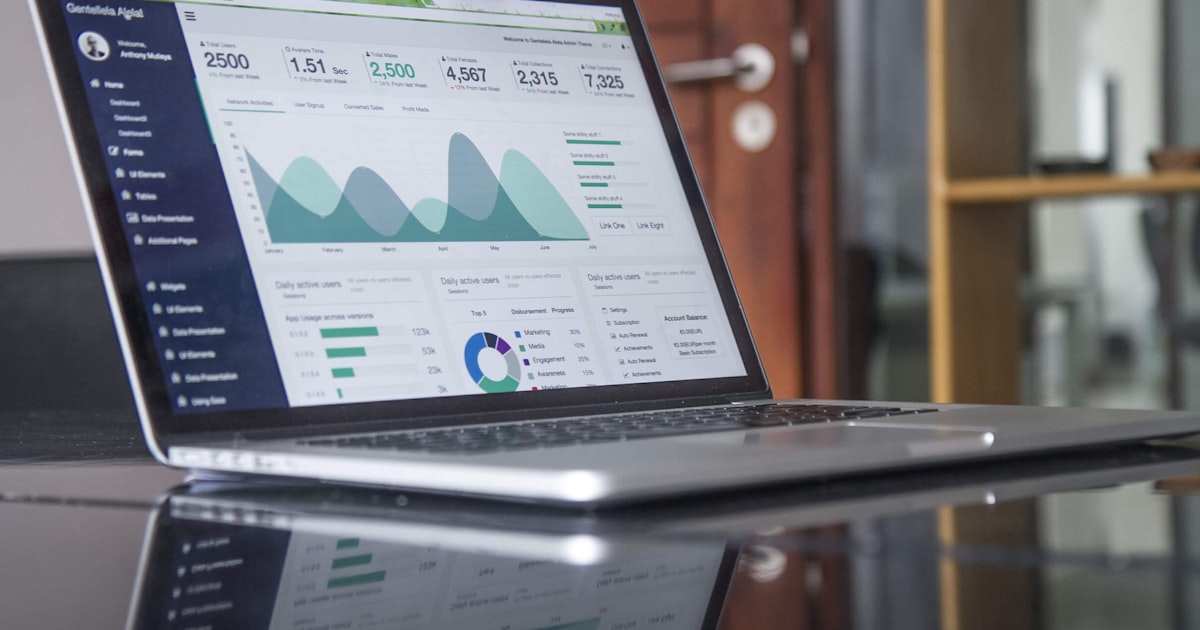
5. Analytics: If You Can't Measure It, Don't Do It
This is where most Pakistani businesses lose money. Before spending a single rupee on ads, set up:
- Google Analytics 4 (GA4) with conversion events.
- Google Search Console to track keyword rankings and clicks.
- Conversion tracking on every form, call and checkout.
Monthly reporting should answer one question: which channels produced revenue, and which wasted budget?
How Much Should You Budget in 2026?
There's no universal number, but a healthy rule for SMEs in Pakistan is to reinvest 7–12% of revenue into marketing, split across SEO (long-term), paid ads (short-term demand) and content. Start lean, measure ruthlessly, and scale what works.
Frequently Asked Questions
How long does SEO take to show results in Pakistan?
Typically 3–6 months for meaningful ranking gains, depending on competition and your starting point. Paid ads can drive traffic the same day.
Is digital marketing worth it for small businesses?
Yes — digital channels let small businesses target precisely and compete with larger brands on relevance rather than budget.
Should I do SEO or Google Ads first?
Ideally both: ads for immediate leads while SEO builds compounding organic traffic in the background.
Ready to Grow?
A strategy on paper means nothing without execution. If you want SEO, Google Ads and social campaigns that are tracked, optimised and tied to real revenue, talk to our team for a free consultation — we'll audit your current presence and show you exactly where the quick wins are.